₹44,800 "Bandhani" Skirt: High-Fashion or Heritage Heist?
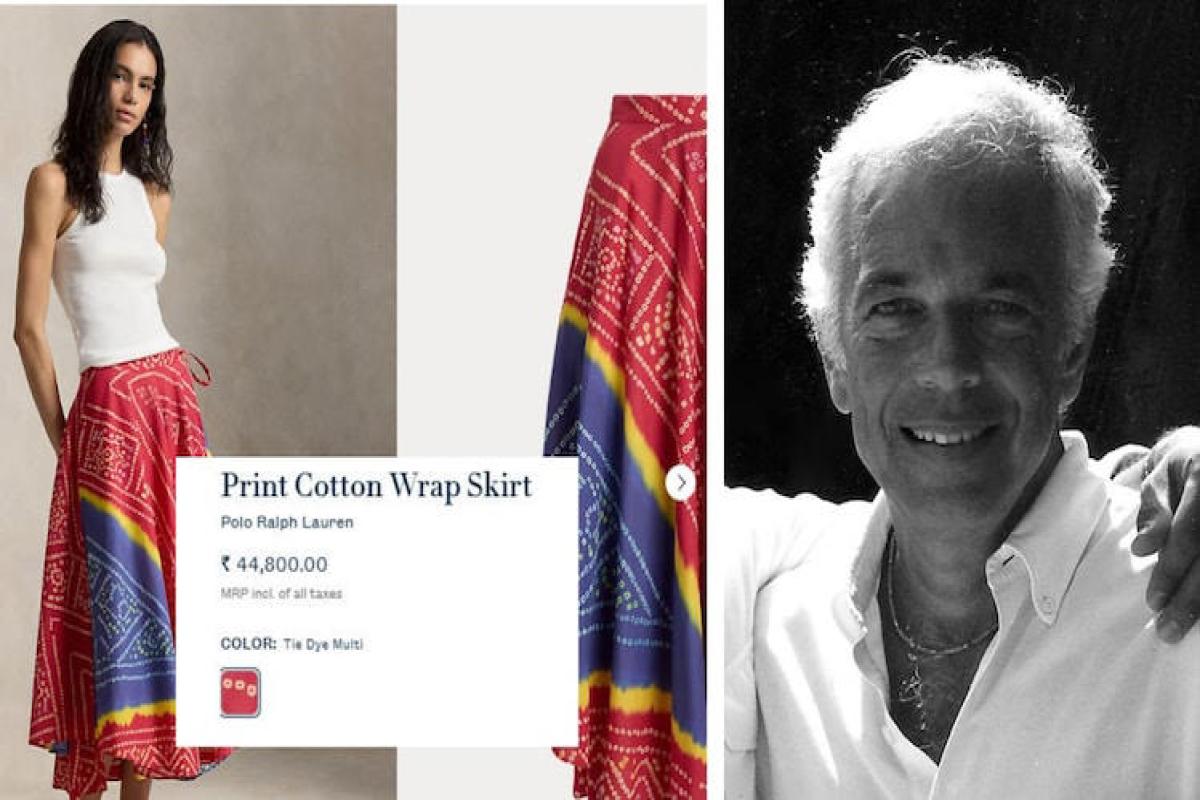
American luxury giant Ralph Lauren has found itself at the center of a mounting global controversy following the release of its latest "Print Cotton Wrap Skirt." While the brand markets the piece as a vibrant addition to its Summer 2026 collection, critics and cultural advocates are calling it a textbook case of cultural appropriation and "pricing audacity."
The garment, which retails for a staggering ₹44,800 ($375), features patterns instantly recognizable to the Indian subcontinent as Bandhani—a millennia-old tie-dye technique native to Gujarat and Rajasthan. However, the product listing on the brand’s official website avoids mentioning India entirely, referring to the design simply as a "vibrant design inspired by traditional tie-dye techniques."
The "Machine-Made" with luxury price tag
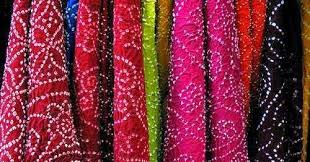
The primary point of contention lies in the authenticity of the craft. Traditional Bandhani is a labor-intensive art form where artisans hand-tie thousands of tiny knots into fabric before dyeing it to create intricate geometric patterns.
Netizens and textile experts have been quick to point out that the Ralph Lauren version appears to be a digital print rather than a genuine hand-tied textile.
Expert Take: "You are paying luxury prices for a machine approximation of centuries of handwork," noted one digital creator whose post calling out the brand went viral.
The Math: Critics argue that a high-quality, authentic cotton Bandhani skirt in local Indian markets typically costs between ₹500 and ₹3,000. The Ralph Lauren price tag represents a markup of over 1,500% for a product that lacks the soul of the original craftsmanship.
A Pattern of "Cultural Erasure"
This isn't the first time the fashion house has faced scrutiny. Just months ago, the brand was criticized for showcasing "Indian jhumkas" as "vintage earrings" during Paris Fashion Week.
"It’s not just about the money; it’s about the erasure," says a spokesperson for a global craft advocacy group. "By stripping the name 'India' and 'Bandhani' from the marketing, they are colonizing the aesthetic while bypassing the very people who created it."
The controversy has sparked a wider debate on where "inspiration" ends and "appropriation" begins. High-end designers frequently look to global cultures for ideas, but the industry standard is shifting toward a requirement for transparency and credit.
Public Backlash
Social media platforms have been flooded with comments from disillusioned consumers. "The audacity to sell a machine-printed skirt for the price of a luxury vacation while ignoring the artisans is peak corporate greed," wrote one user on X (formerly Twitter). Others have mockingly compared the design to "AI-generated slop" that fails to capture the precision of real Indian textiles.
Ralph Lauren has not issued a formal statement regarding the backlash or whether they intend to update the product’s description to credit its Indian heritage.
RELATED STORIES
The Day a "Plastic" Audemars Piguet Broke the Inte...
Kalyani Priyadarshian Rules the Red Carpet
Indian Men Take Center Stage: Shoulders Heritage a...
The Checkmate of Summer Fashion
The ₹999 Revolution: How Tata, Reliance, and Birla...
Why Kris Jenner is China’s Newest Good Luck Charm

The Boys are Back in Town
American Actress and Model Dakota Johnson debuts i...
Empire waists, lace, and floral motifs; The Regenc...
The 2026 Groom Mood Board: Set on Fire by Vijay
2026 BRIT Awards delvered a fashion and music mome...
Raw Mango Reimagines South Asian Plurality with “I...
When washing machines become Handloom friendly
The Beat Goes Chic: India’s Concert Boom is Rewrit...
Emily is adorable in her Roma Adventure in Season...
Cloud Dancer is the colour of 2026

Kintsugi inspired sneaker collection by Reebok X...
From Grand father's drawer to global fashion
Paris' Galeries Lafayette to open in Mumbai in Nov...
Is this the end of heels and shoes on the fashion...
Unapologetic Glamour
Satya Paul Announces Creative Collaboration with A...
Enamor X Papa Don’t Preach by Shubhika unveils Lux...
Aseem Kapoor and Amit Hansraj show at Lakme Fashio...
Meryl Streep and Anna Wintour cross paths at Milan...
Aditya Birla eyes Gen Z; Launches OWND!
Aditya Birla Fashion eyes Gen Z, launches OWND
Alia Bhatt replaced Deepika as Levis Ambassador
Dhanush and Mrunal Thakur spark dating rumours

WHEN RAHUL BECOMING LOVE
DEMON HUNTERS FOR OSCAR
JURASSIC, THE UNBEATABLE WORLD

‘KPop Demon Hunters’ Song Will Be Entered for 2026...

‘KPop Demon Hunters’ Song Will Be Entered for 2026...
Rahul Mishra presented becoming love on July 7th a...