When washing machines become Handloom friendly
In a move that signals a deeper integration of high technology and heritage, the Indian home appliance market is witnessing a historic shift from "one-size-fits-all" engineering to culturally specific innovation. The recent launch of Godrej Appliances' "Tested for Handlooms" certification for its AI-powered washing machines is not merely a product update; it is a calculated response to a multi-billion dollar cultural bottleneck in Indian fashion.
For decades, the Indian handloom—be it a delicate Banarasi silk, an intricate Patola, or a Kerala Kasavu—has existed in a state of "functional paralysis." While these garments are prized as the pinnacle of sustainable luxury, they are notoriously difficult to maintain. The average consumer’s fear of structural damage, color bleeding, or thread fraying has effectively relegated hand-woven textiles to occasional wear, often trapped in the cycle of expensive, chemical-heavy dry cleaning.
Solving the "Maintenance Anxiety"
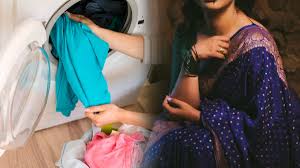
By subjecting 25 distinct Indian weaves to 40x microscopic magnification after 25 machine wash cycles, Godrej has addressed the core psychological barrier to handloom adoption: maintenance anxiety. This innovation uses AI-driven wash logic to mimic the low-agitation movements of hand washing, specifically calibrated for the lower tensile strength of hand-spun threads.
While global brands focus on general fabric care (cottons vs. synthetics), local players are winning by applying AI to the specific fiber densities and weave patterns of the subcontinent. By making the care of high-value garments effortless and home-accessible, the industry is transitioning handlooms from "museum pieces" to daily-wear staples.
A Catalyst for the Slow Fashion Economy
This shift is occurring just as the Indian fashion landscape enters a transformative "Slow Fashion" phase. As urban Gen Z and Millennials pivot away from disposable fast fashion in favor of ethical, natural fibers, the primary hurdle has been the lifestyle friction of caring for those fibers.
The significance for the Indian fashion industry is profound. When the "after-care" of a handloom saree becomes as simple as that of a polyester blend, the addressable market for the 3.5 million weavers in India expands exponentially. We are seeing the rise of a "Care Economy" where appliance brands and textile designers are no longer separate silos but partners in a sustainable cycle.
The Strategic Marketing of Heritage
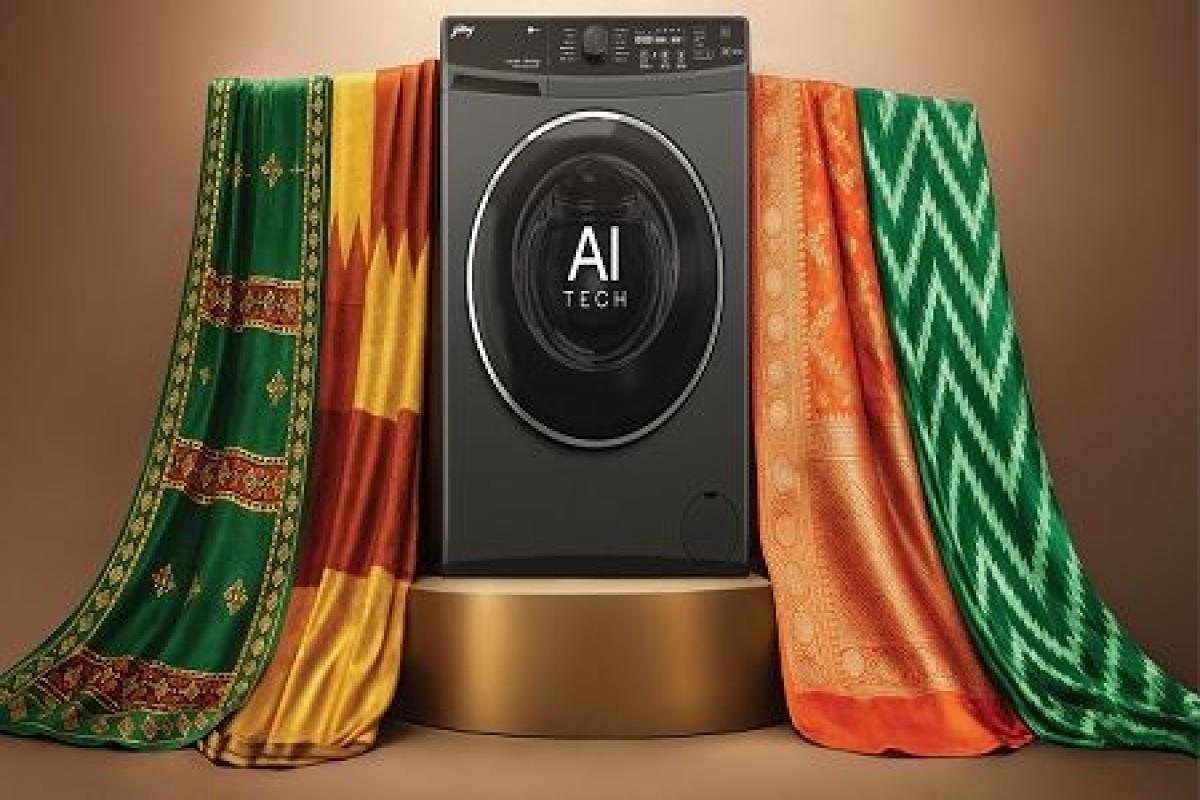
The marketing strategy surrounding this innovation—typified by larger-than-life outdoor campaigns featuring handloom fabrics flowing out of machines—repositions the appliance as a guardian of culture rather than a mere utility. It taps into a growing sense of "Pride of Place" that dominates the 2026 consumer psyche.
Ultimately, this trend indicates that the next frontier for the Indian appliance market is not just "smarter" machines, but machines that are "culturally intelligent." By aligning engineering with the revival of traditional crafts, brands are proving that for India to move forward, its most advanced technology must be capable of protecting its oldest traditions.
RELATED STORIES
The Day a "Plastic" Audemars Piguet Broke the Inte...
Kalyani Priyadarshian Rules the Red Carpet

Indian Men Take Center Stage: Shoulders Heritage a...
₹44,800 "Bandhani" Skirt: High-Fashion or Heritage...
The Checkmate of Summer Fashion
The ₹999 Revolution: How Tata, Reliance, and Birla...
Why Kris Jenner is China’s Newest Good Luck Charm

The Boys are Back in Town
American Actress and Model Dakota Johnson debuts i...

Empire waists, lace, and floral motifs; The Regenc...
The 2026 Groom Mood Board: Set on Fire by Vijay
2026 BRIT Awards delvered a fashion and music mome...
Raw Mango Reimagines South Asian Plurality with “I...
The Beat Goes Chic: India’s Concert Boom is Rewrit...
Emily is adorable in her Roma Adventure in Season...
Cloud Dancer is the colour of 2026

Kintsugi inspired sneaker collection by Reebok X...
From Grand father's drawer to global fashion
Paris' Galeries Lafayette to open in Mumbai in Nov...

Is this the end of heels and shoes on the fashion...
Unapologetic Glamour

Satya Paul Announces Creative Collaboration with A...
Enamor X Papa Don’t Preach by Shubhika unveils Lux...

Aseem Kapoor and Amit Hansraj show at Lakme Fashio...
Meryl Streep and Anna Wintour cross paths at Milan...

Aditya Birla eyes Gen Z; Launches OWND!
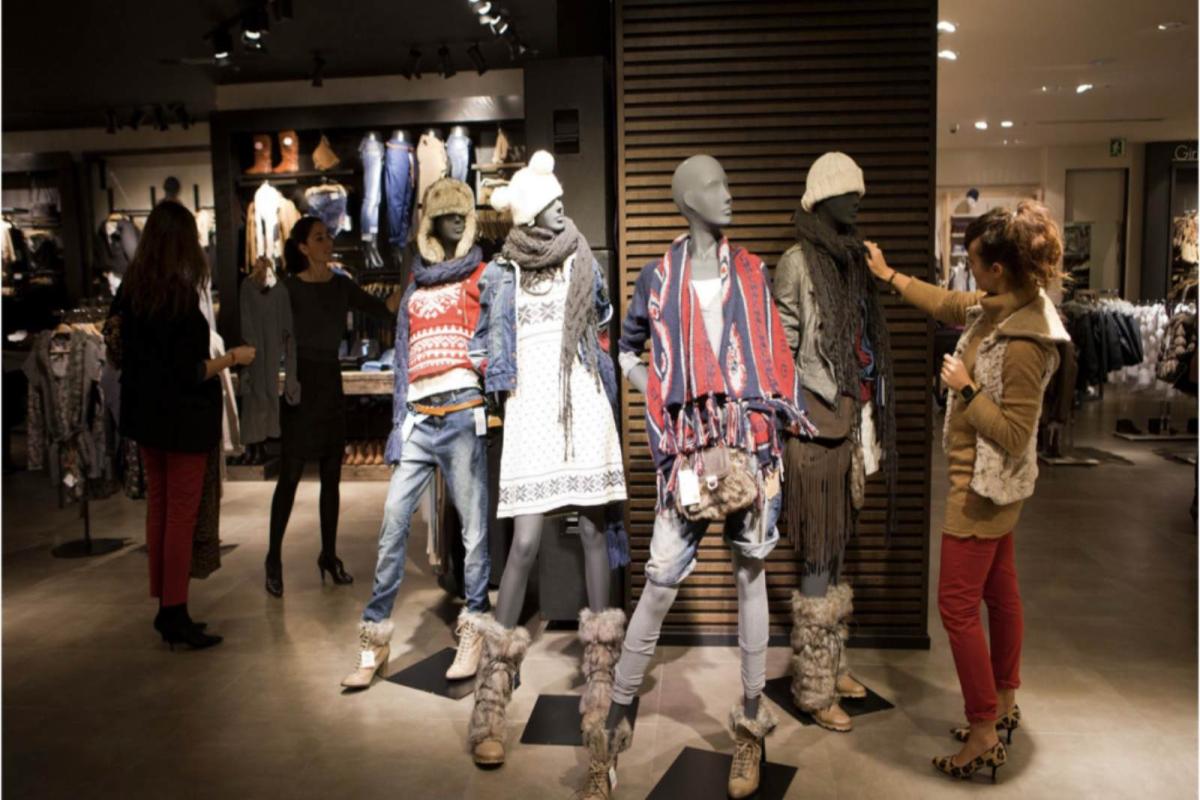
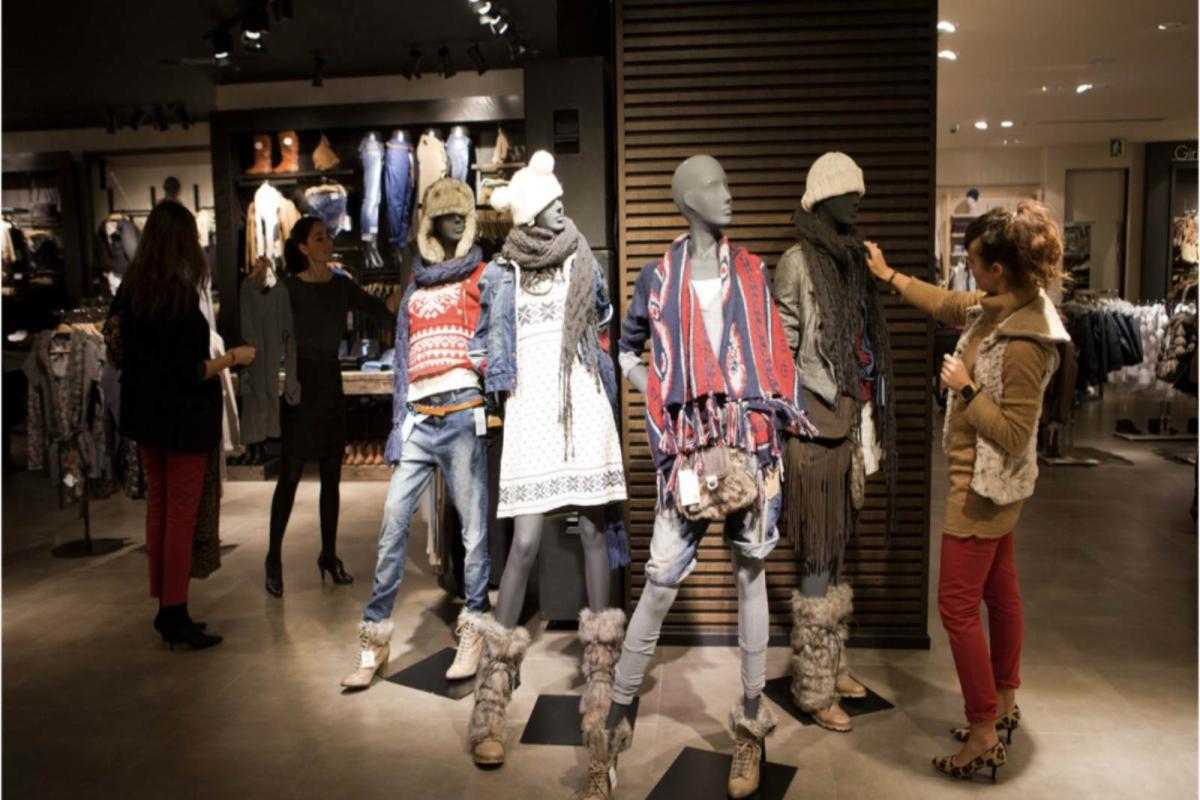
Aditya Birla Fashion eyes Gen Z, launches OWND
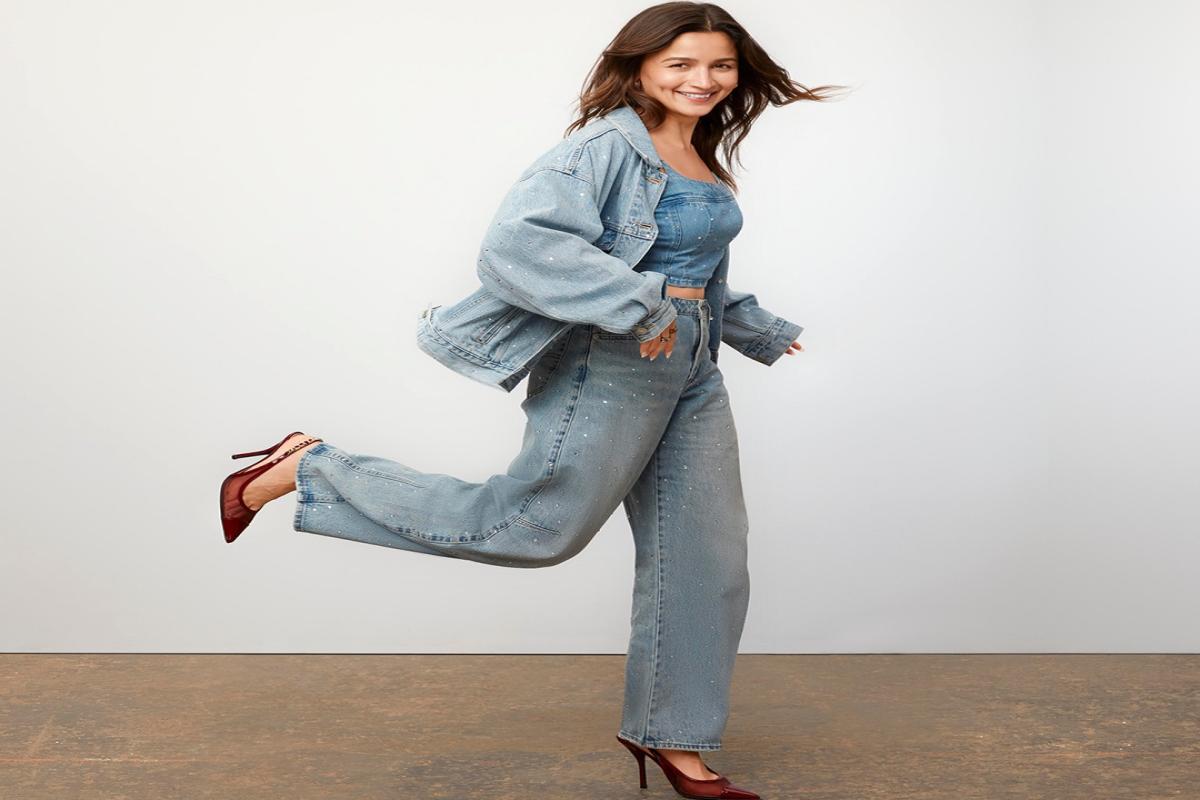
Alia Bhatt replaced Deepika as Levis Ambassador
Dhanush and Mrunal Thakur spark dating rumours

WHEN RAHUL BECOMING LOVE
DEMON HUNTERS FOR OSCAR

JURASSIC, THE UNBEATABLE WORLD

‘KPop Demon Hunters’ Song Will Be Entered for 2026...

‘KPop Demon Hunters’ Song Will Be Entered for 2026...
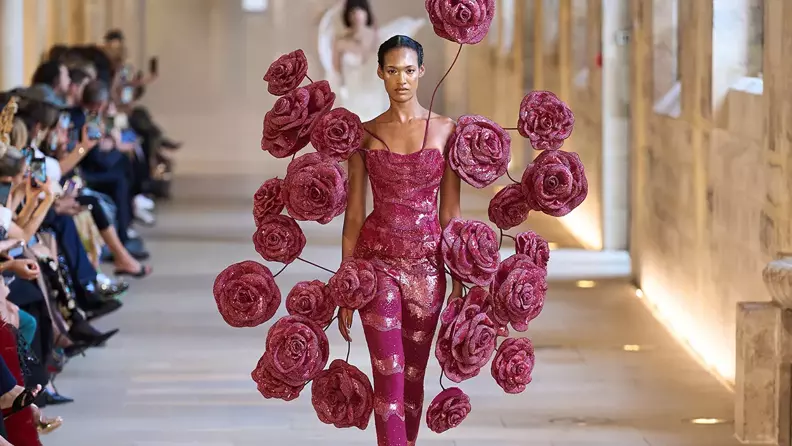
Rahul Mishra presented becoming love on July 7th a...