
'Made in Korea' Review: A Heartfelt Crossing of Cultures
While Indian audiences have consumed K-dramas and K-pop voraciously, Indian cinema has rarely reflected this cross-cultural romance on screen—until now. "Made in Korea," directed by the visionary Ra Karthik (of Nitham Oru Vaanam fame), is a cinematic love letter to this bridge between Tamil Nadu and Seoul.
Released as a Netflix Original, the film is much more than a fan-girl’s diary; it is a sprawling, 1000-word-worthy exploration of identity, historical connections, and the universal language of loneliness and belonging.

The Plot: From the Temples of Madurai to the Streets of Myeong-dong
The story centers on Shenbagam (Priyanka Arul Mohan), a spirited yet sheltered young woman from a small town near Madurai. Her fascination with South Korea isn't just about glossy skincare or K-pop idols; it is rooted in a legend her grandfather told her—the story of Princess Sembavalam (the historical Queen Heo Hwang-ok), a Tamil princess who purportedly traveled to Korea two thousand years ago to marry King Suro.
Shenbagam’s life in India is stifling. Between a family pushing for a traditional marriage and a recent heartbreak that left her questioning her self-worth, she feels like a stranger in her own home. Armed with a basic knowledge of Korean phrases learned from YouTube and a heart full of desperate hope, she books a one-way ticket to Seoul.
The film follows her "fish-out-of-water" journey. Upon landing, the neon lights and freezing temperatures of Incheon are a far cry from the sun-drenched paddy fields of Tamil Nadu. Shenbagam soon realizes that surviving in Korea requires more than just knowing how to say "Annyeonghaseyo."

A Masterclass in Performance: Priyanka Arul Mohan’s Career Best
Priyanka Arul Mohan delivers a performance that anchors the entire film. In the first half, she embodies the wide-eyed innocence of a tourist. However, as the reality of being an undocumented immigrant begins to set in, her performance shifts into a gear of quiet resilience.
The emotional core of the film is her relationship with Halmeoni (Grandmother), played by the veteran Korean actress Park Hye-jin. Shenbagam finds work as a live-in caregiver for this elderly woman who suffers from selective mutism. The bond they form—transcending the barriers of Tamil and Korean—is the highlight of the movie. There is a poignant scene where Shenbagam cooks Thayir Sadam (Curd Rice) for the lady, who in turn teaches her the art of making the perfect Kimchi. It’s a metaphor for the film itself: different ingredients, but the same soul-stirring comfort.

Direction and Thematic Depth: More Than Just a Travelogue
Ra Karthik proves once again that he is a master of the "travel-growth" genre. He doesn't treat Seoul merely as a backdrop; the city is a character. He juxtaposes the high-tech, fast-paced life of Gangnam with the quiet, traditional beauty of Bukchon Hanok Village.
Thematically, Made in Korea tackles several layers: Shenbagam isn't just running to Korea; she is running away from the version of herself that society tried to build. The film subtly highlights the similarities between Tamil and Korean cultures—the respect for elders, the linguistic similarities (like Appa/Amma), and the shared emphasis on spicy food and family values.
The film bravely shows the darker side of the Hallyu dream—the loneliness of expats, the language barrier, and the struggle of finding a footing in a homogenous society.
Technical Brilliance: A Visual and Auditory Feast
The cinematography by Vidhu Ayyanna is breathtaking. He captures the contrast between the warm, earthy tones of rural Tamil Nadu and the cool, blue-and-neon palette of Seoul. The winter landscapes of Korea are shot with a poetic lens, making the viewer feel the literal and metaphorical chill Shenbagam experiences.
The music, composed by Hesham Abdul Wahab and Dharan Kumar, is a masterstroke. The soundtrack is a "K-Tamil" fusion. One particular track, a duet between a Tamil playback singer and a Korean indie artist, perfectly encapsulates the film's spirit. Hesham’s background score uses traditional Korean instruments like the Gayageum alongside the Nadaswaram, creating an acoustic bridge that is both unique and haunting.
The Verdict: A Global Story with a Local Heart
While Made in Korea is a "feel-good" film, it doesn't shy away from moments of heartbreak. There are sequences where Shenbagam faces casual xenophobia and moments where her lack of the language leads to painful misunderstandings. However, the film’s philosophy remains steadfast: Kindness is the ultimate translator.
Some critics might argue that the film’s resolution is a bit too "fairytale-like," especially regarding her legal status and her ability to find a job. But in a world that is increasingly cynical, Made in Korea chooses to believe in the best of humanity. It suggests that perhaps we are all "Made in Korea" or "Made in India" by birth, but we are "Made of Dreams" by choice.
Why You Should Watch It
Made in Korea is a landmark film for Tamil cinema. It signals a shift toward more global, outward-looking stories that still hold onto their regional roots. It tells us that while the world is vast and the languages are many, the ache for home and the hunger for adventure are the same everywhere.
It’s a clean, emotional story about finding a family in strangers. It’s a dream come true to see an Indian protagonist navigating the tropes we love. And the best virtual tour of South Korea you can get from your couch.
By the time the credits roll, you aren't just left with a smile; you’re left with a craving for both Kimchi and Sambar, and a sudden urge to book a flight to a land where you don't know the language, just to see if you can find yourself.
RELATED STORIES
Patriot: A Clash of Titans on Screen, A War of Fan...
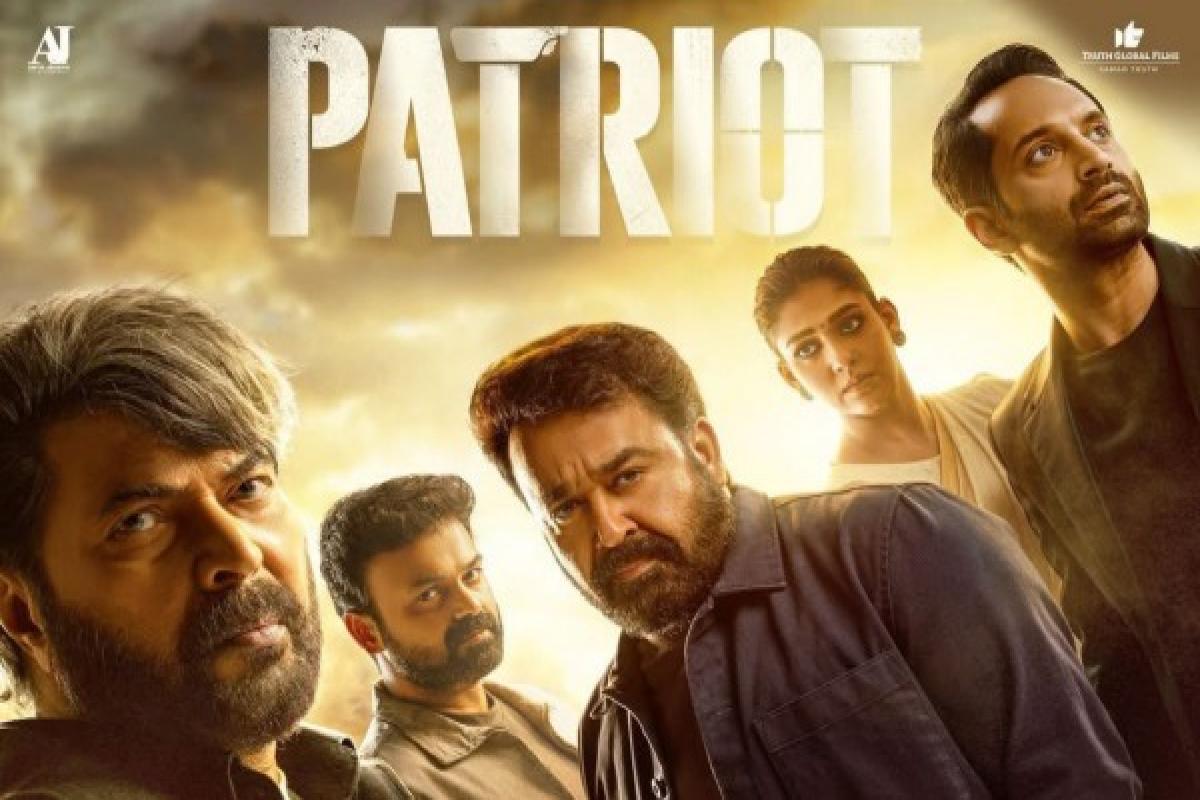
4 Hours of Action ; Dhurandhar 2 Hype is Heating U...

Priyadarshan Admits Billu’s Climax Failed

The POLITICAL AFFAIR

THE HOT WAR: RUKMINI VASANTH vs MRUNAL THAKUR

Mohit Raina and Malayali Actress Priyamani to Lead...

Erotic Thriller movie releasing in Kerala

Farhan Akhtar Shuffles Slate: 'Jee Le Zaraa' Back...

Again, a blow to Thalapathy Vijay

Who is the Viral 'Mystery Girl' in Yash’s 'Toxic'...

Ranveer Singh starrer Dhurandhar breaks records an...

100 Days to Go: Yash's Toxic releases new poster

Who neglected Kani's brilliance?

Sameera Wins Film Award Again

R Madhavan is unrecognizable in the first look tea...
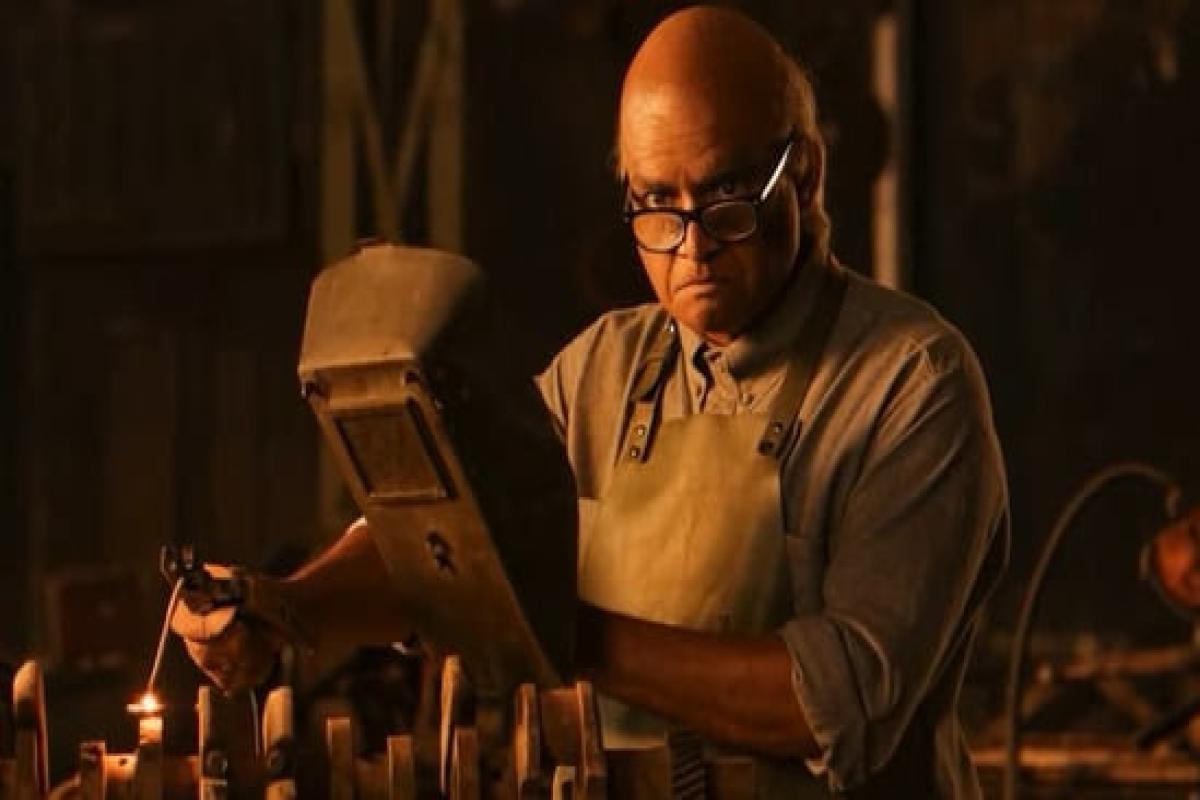
R Madhavan is unrecognizable in the first look tea...
Rithik Roshan to enter OTT with STORM; Paravthi Th...

Lokah Chapter 2 coming; Tovino in the lead

Lokah Chapter 2 coming; Tovino in the lead