The Rise of "Dark Showering": Why Gen Z is Bathing in the Shadows
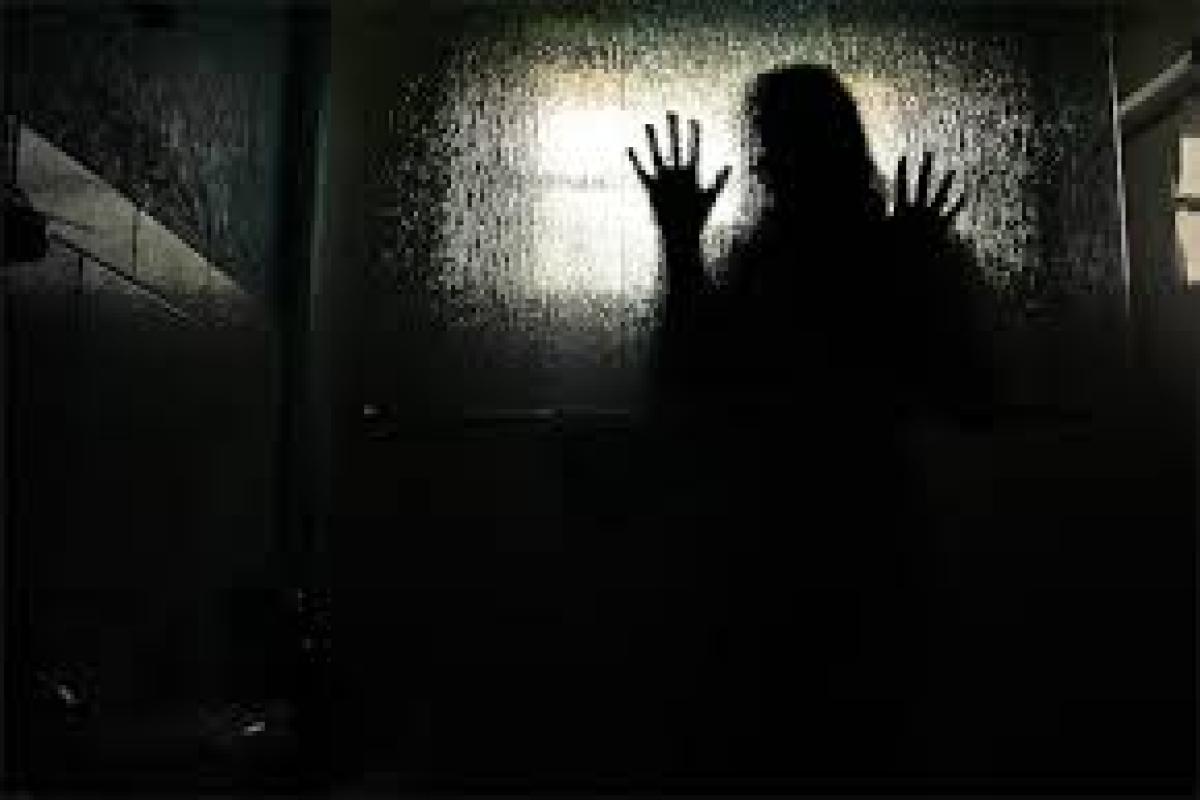
In a world of neon-lit screens and constant digital "pings," a new wellness trend is emerging that asks us to do the unthinkable: turn off the lights. Dubbed "Dark Showering," the practice has taken social media by storm, with millions of users trading their harsh bathroom LEDs for total darkness or the flicker of a single candle.
While it might sound like a scene from a low-budget suspense film, advocates claim it is the ultimate "soft-life" hack for stress and insomnia. But is there actual science beneath the suds, or is this just another aesthetic fad?
What is Dark Showering?
The concept is deceptively simple. Instead of the typical high-energy morning scrub, a dark shower is a nighttime ritual performed in dim to zero lighting. The goal is to strip away visual distractions and "noise," turning a basic hygienic task into a sensory deprivation experience.
"A dark shower is a ritual for the nervous system," says Nidhi Pandya, an Ayurvedic wellness expert. "Unlike a morning shower, which awakens the body, this is about signaling the brain that the day is over."

The Benefits: More Than Just a "Vibe"
Health experts and sleep scientists suggest that the trend aligns with established physiological principles.
Melatonin Boost: Exposure to bright overhead lights at night suppresses melatonin, the hormone responsible for sleep. By showering in the dark, you avoid the "wake-up" signal sent by blue and white light.
The Temperature Drop: A warm shower naturally raises your body temperature. When you step out into the cool air, your temperature drops—a biological trigger that tells your brain it’s time to sleep.
Sensory Heightening: Without sight, your other senses take over. The rhythmic sound of the water and the scent of your soap become more intense, creating a meditative, "grounding" effect that can lower cortisol (the stress hormone).
Body Positivity: Many practitioners find that removing the mirror and the harsh lighting helps reduce body dysmorphia and self-criticism, allowing them to focus on how their body feels rather than how it looks.
The Reality Check: Is It a "Magic Pill"?
While the trend is gaining traction, medical professionals offer a few caveats. It isn't a cure-all for clinical anxiety or chronic insomnia.
How to Try It Safely
If you're looking to turn your bathroom into a "sensory cocoon," follow these steps:
Clear the Floor: Ensure there are no stray towels or bottles you could trip on.
Start Dim: Use a dimmable light, a nightlight, or a safe battery-powered candle before attempting total darkness.
Set the Scene: Use calming scents like lavender or eucalyptus to lean into the sensory experience.