TWINNING CARS: The Surge of Twins in the Car Market
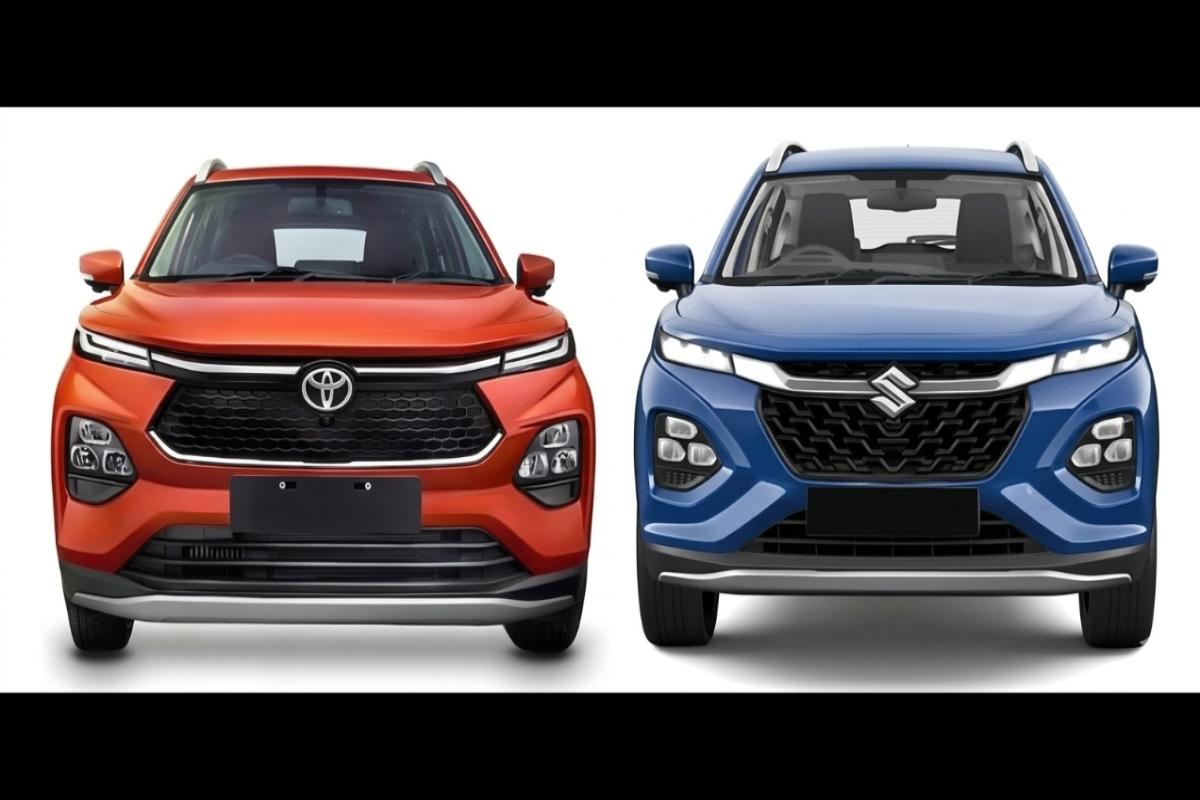
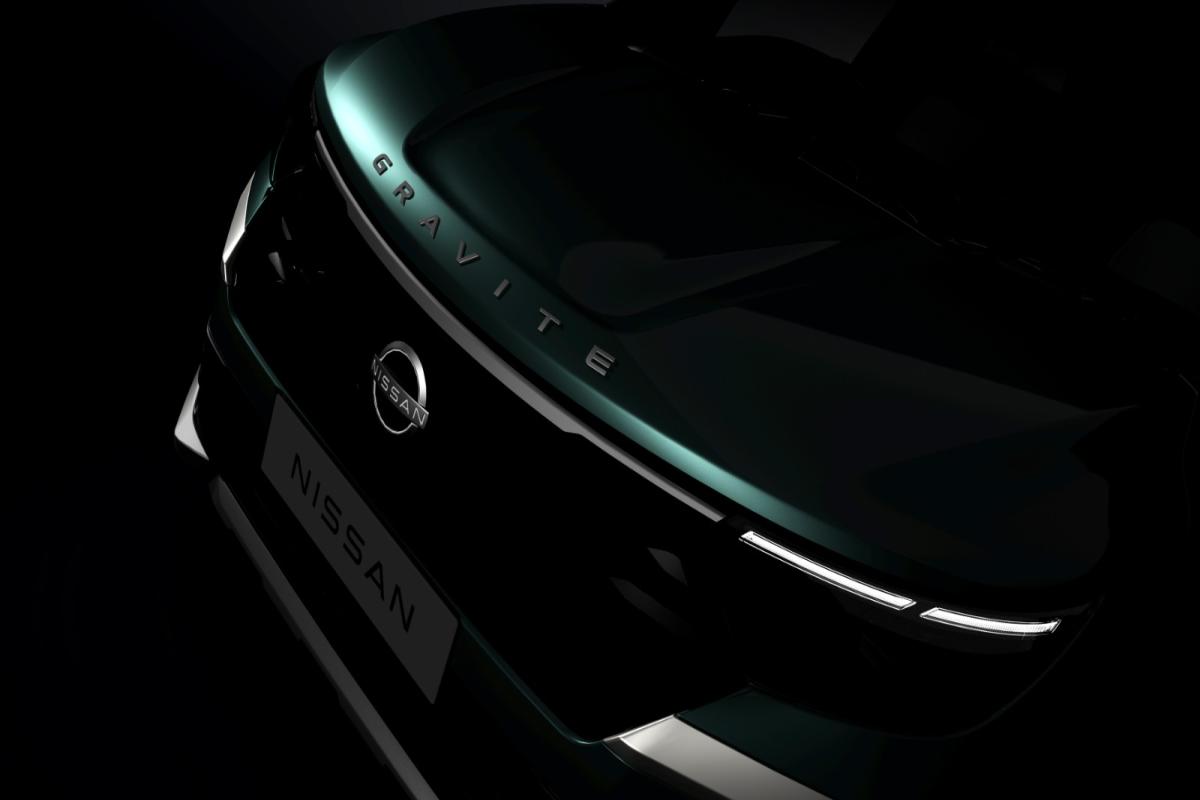
With the arrival of Toyota's 'Ebella' (the sibling of Maruti Suzuki’s electric car 'e-Vitara') and Nissan’s 'Gravite' (the version of Renault Triber), the number of "twins" in the Indian car market has risen significantly. When Renault's Duster SUV arrives this month, its Nissan counterpart, 'Tekton', will follow closely behind.
Why twins
This practice of "Badge Engineering"—where the same car is released by multiple companies with minor changes—has been around for a long time. The primary motivations for companies are the reduction of Research and Development (R&D) costs and the ability to launch new models faster by sharing technology.

In highly competitive markets, such cooperation is becoming essential. As Chinese companies rapidly gained ground, global legacy brands found themselves with no choice but to seek such partnerships. Badge Engineering is the method where multiple brands release vehicles using the same platforms, engines, and gearboxes.
The alliance formed years ago between Japanese companies Suzuki and Toyota continues to be a huge success in this regard. Even before that, Japanese firm Nissan and French firm Renault started an alliance in India to introduce vehicle sharing. Their car production was even housed in a single factory, while sales and other business operations were handled by separate companies. Although the factory is now fully owned by Renault, the vehicle-sharing continues. European brands Volkswagen and Skoda follow a similar badge engineering approach, as do Korean brands Hyundai and Kia.
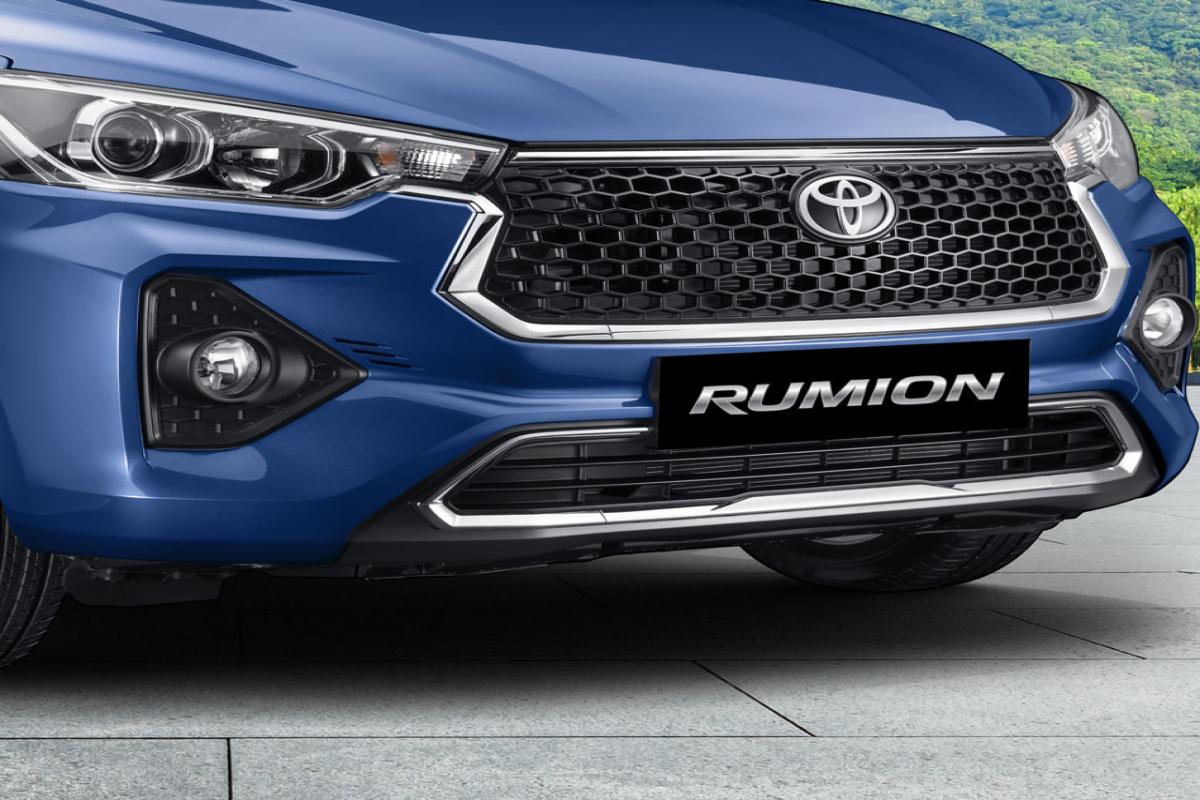
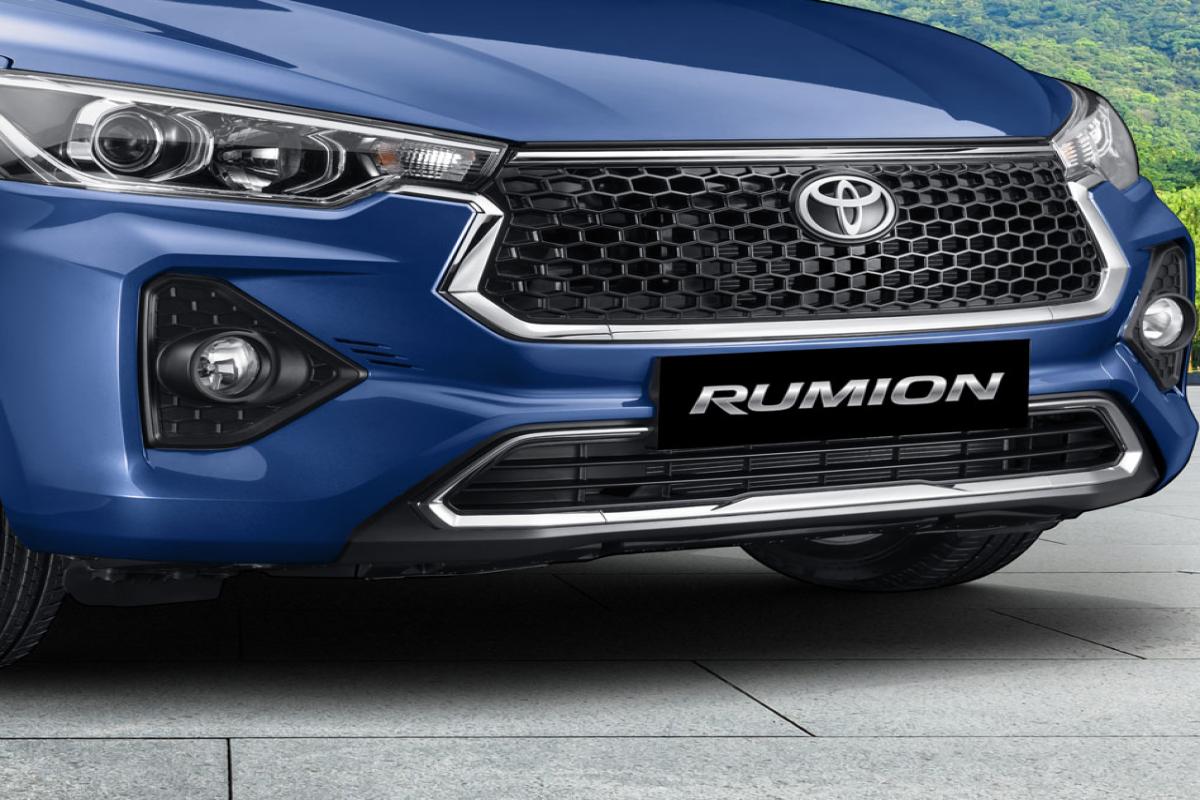
However, there is a difference between the Toyota-Suzuki partnership and the European or Korean ones. Volkswagen and Skoda are brands under the same ownership (Volkswagen Group), and Hyundai and Kia are members of the same corporate family; they simply compete as separate brands in the market. In Japan, Toyota and other companies hold stakes in Suzuki. But in India, Maruti Suzuki India Limited and Toyota Kirloskar Limited are two completely independent companies. Currently, the Maruti-Toyota collaboration includes twins like Grand Vitara–Hyryder, Baleno–Glanza, Fronx–Taisor, eVitara–Ebella, Ertiga–Rumion, and Innova Hycross–Invicto. Maruti’s 'Victoris' is another sibling to the Grand Vitara and Hyryder.
Minor changes here and there
Brands try to establish a distinct identity by making slight changes to the exterior appearance. Some even vary the body shape. Although the Nissan Magnite and Renault Kiger are twins, they don't look identical at first glance due to differences in body shell design.
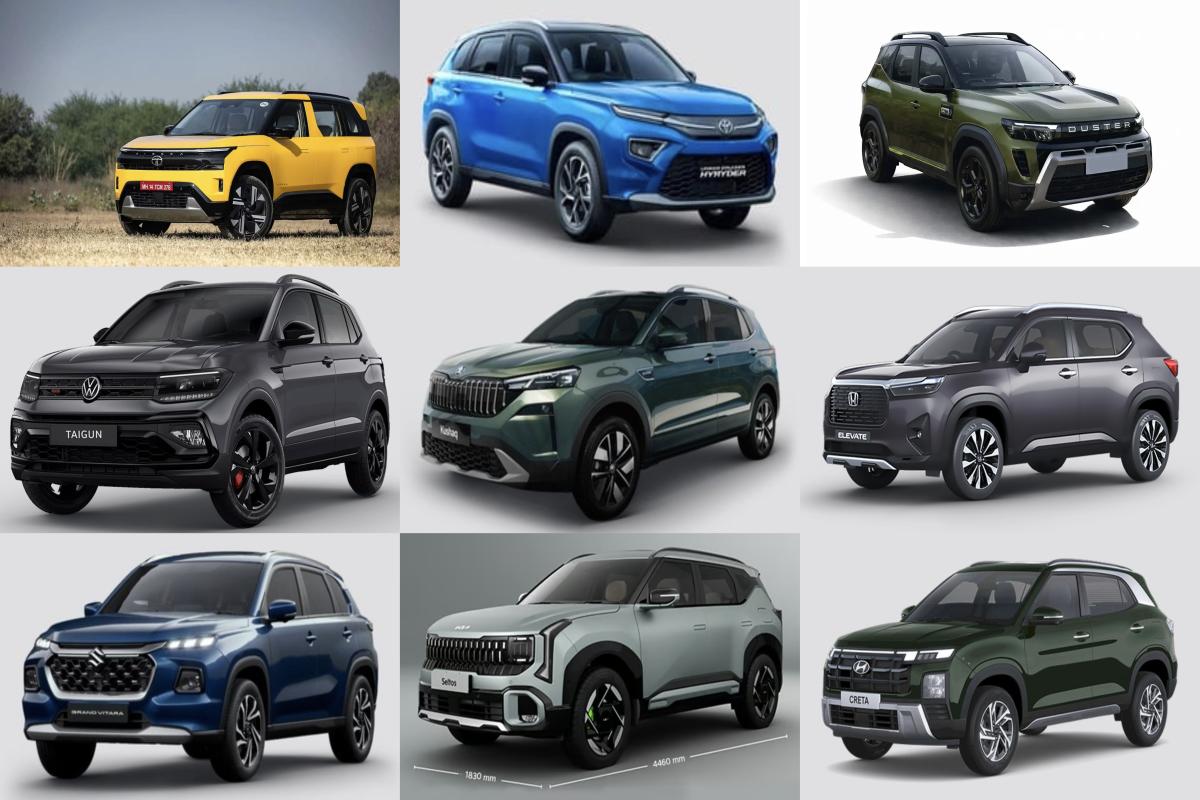
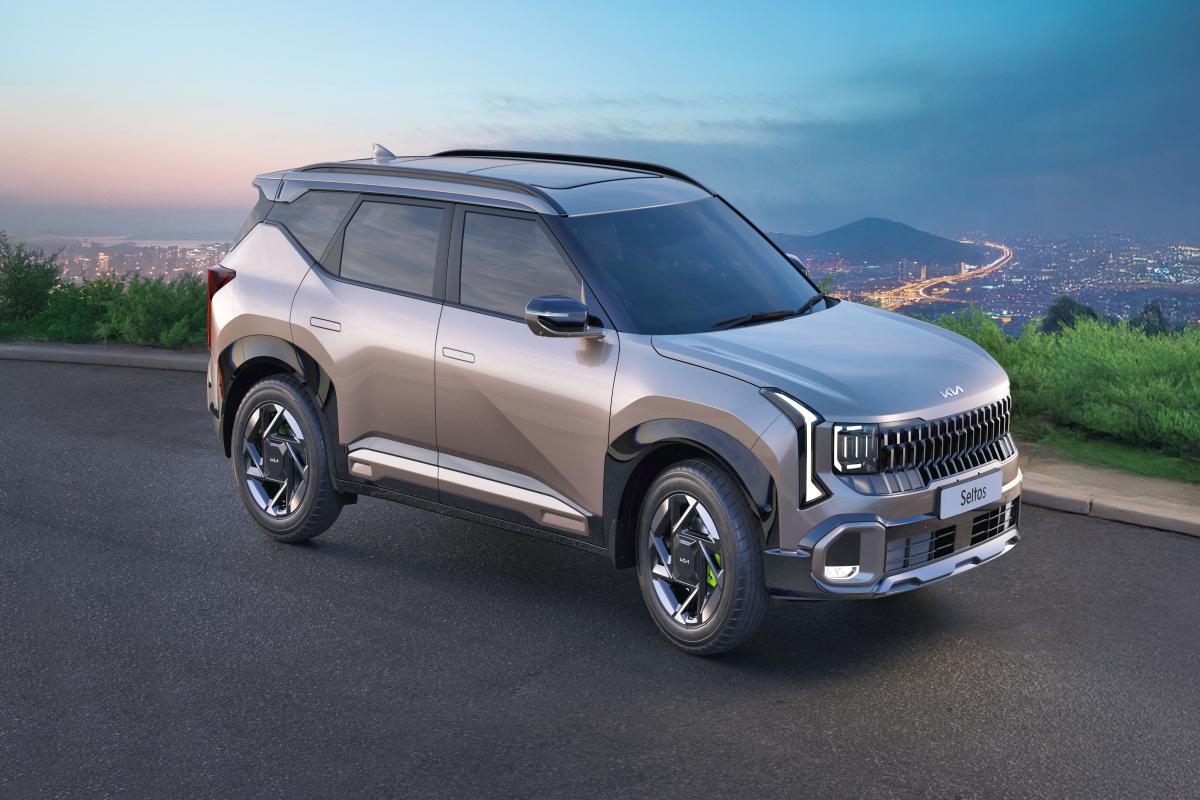
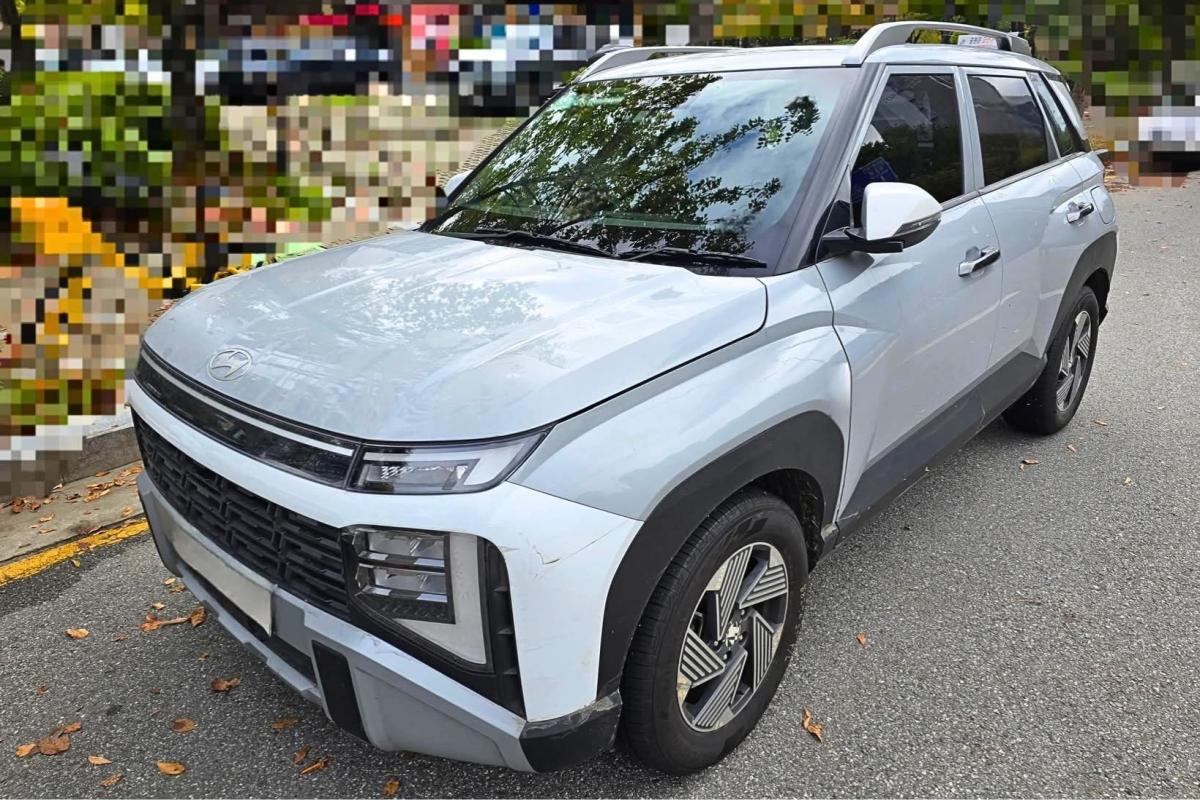
Other twins in the market include Skoda Kushaq–Volkswagen Taigun, Slavia–Virtus, Kodiaq–Tayron, Hyundai Venue–Kia Sonet, and Creta–Seltos. Experience shows that such cooperation is beneficial. For instance, Toyota showrooms, which previously only housed large vehicles like the Innova, Fortuner, and Camry, are now accessible to common buyers. The presence of popular models like the Glanza, Taisor, Rumion, and Hyryder is a result of the partnership with Suzuki. Similarly, when Maruti Suzuki brought the Innova Hycross to its showrooms as the 'Invicto', it addressed the complaint that Maruti lacked a major premium model.
In Nissan's case, the arrival of the 'Gravite' has saved them from the precarious position of surviving in India with just a single model, the Magnite. With the 'Tekton' arriving this year, Nissan showrooms are expected to become even more active.
The Kushaq, Taigun, Slavia, and Virtus are all built on a single platform developed jointly by Skoda and Volkswagen. Although the Skoda Kylaq is on the same platform, Volkswagen has not yet released a twin for it.
Honda struggles alone
Though the Japanese company Honda is renowned for its reliability, it is struggling to hold its ground in the current global scenario. Last year, Honda announced a potential alliance with other Japanese companies, but discussions collapsed before any merger could happen. In India, despite having excellent engines, gearboxes, and vehicles, Honda has been unable to create a significant market impact. Joining a Japanese alliance could help Honda overcome this crisis and provide access to technology at a lower cost.
Indian companies like Tata and Mahindra have implemented various collaborations with global brands, though they have not yet moved into the "Badge Engineering" model of vehicle sharing.
RELATED STORIES
Ethanol to Hybrid: Confusion Galore

Indian-made Kia Sonet sold in Africa gets just one...

SUV with Panoramic Sunroof at a price below 10 lak...
Merc launches CLA BEV SEDAN at 55 lakhs
BAJAJ Pulsar 180 is Back!
BS-VII Emission Norms from 2027: Impact on CNG Veh...

Buying Electric Cars in Karnataka is No Longer Pro...
VINFAST OPENS BOOKING FOR VF MPV 7 IN INDIA
Indians are swapping epic annual trips for smart,...

Mumbai Air Travel at Lower Costs: The Benefits of...
Reporter TV in Legal Crisis

Honda's last chance in India
RENAULT DUSTER IS HERE, AGAIN
Red Signal to Maruti Suzuki Ignis? Production Stop...
Yamaha Introduces XSR155 in ‘Metallic Black’ shade
Google Pixel 10a: Premium AI in under-50k Smartph...
More PUNCH!
E-Vitara Pricing and Maruti’s Hide-and-Seek
Airplane-Rickshaw
Honda's New Dio and Shine
Mid-Size SUV Buying Guide: What You Need to Know
Renault DUSTER Comes Back
Skoda Kushaq gets facelift
Realme 16 Pro Series Debuts
Mahindra launches XUV 3XO ELECTRIC CAR
Mahindra launches XUV 7XO -the successor of XUV 7O...
Toyota to stop Innova Crysta Next Year
All-New Kia Seltos comes at 10.99 lakhs
Renault Kwid, Kiger, Triber to be costlier

NISSAN GRAVITE COMING SOON
Don't Buy Tata Sierra Without Reading This
Hyundai to launch NEW VENUE SUV on 4th November
Noise launches Master Buds Max with Sound by Bose
Mercedes-Benz launches G450d, the G-Class Diesel
New Mahindra Thar @ 9.99 lakhs
Citroen Aircross XSmart
New Mahindra Thar @ 9.99 lakhs
Kinetic Green Unveils E Luna Prime: Revolutionary...
Toyota Rumion gets 6 airbags as standard
Toyota's Ertiga gets 6 Airbags
Bentley, brought by Skoda
Skoda Auto Volkswagen India Private Limited (SAVWI...